

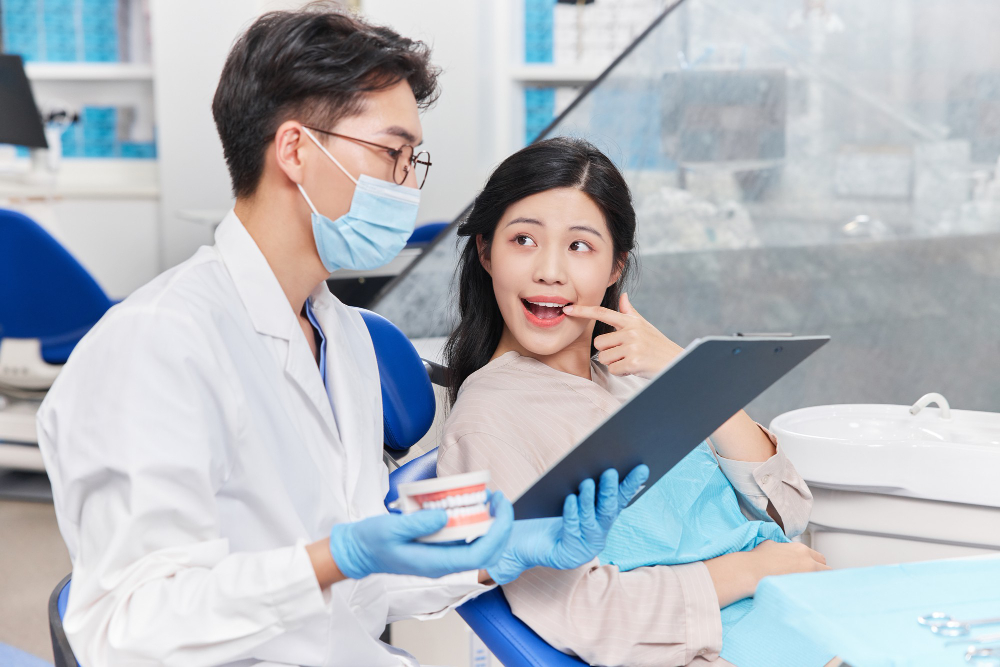
Living as an expatriate offers a unique blend of adventure, cultural immersion, and the thrill of the unknown, but amidst the excitement of settling into a new country, personal healthcare often slides to the bottom of the priority list. One specific aspect of health that is most frequently neglected by the expat community is dental care. There is a common psychological phenomenon among expats known as the “I’ll do it when I visit home” mentality. Whether you are a digital nomad in Bali, a corporate transferee in Southeast Asia, or a retiree enjoying the tropics, it is easy to rationalize postponing routine check-ups until your next flight back to your country of origin. However, this delay often stretches from months into years, creating a dangerous gap in healthcare coverage. The lifestyle changes associated with expat life—such as changes in diet, different water mineral compositions, and the stress of acclimation—can actually accelerate dental issues. Ignoring these signs because of a fear of local healthcare standards or language barriers is a risky gamble that often results in complex, painful, and expensive emergencies that could have been easily prevented with routine maintenance.
To understand the gravity of the situation, one must look beyond the surface-level aesthetics of a white smile and understand the systemic link between oral health and overall physical well-being. Modern medicine has irrefutably proven that the mouth is the gateway to the body; neglect here has cascading effects elsewhere. For the busy expat professional, chronic gum disease (periodontitis) is not just a nuisance; it is a low-grade infection that constantly taxes the immune system. Scientific studies have linked poor oral hygiene to cardiovascular disease, diabetes complications, and even respiratory infections—issues that no expat wants to navigate in a foreign healthcare system. Furthermore, the subtle progression of tooth decay is often painless until it reaches the nerve. By the time you feel the sharp throb of a toothache, the damage is often extensive, requiring root canals or extractions rather than simple fillings. Maintaining your dental health is not merely about vanity; it is an essential component of maintaining the stamina and vitality required to enjoy your life abroad.
One of the primary barriers preventing expats from seeking local care is the anxiety surrounding communication and clinical standards. It is a valid concern: explaining the nuance of a specific pain or understanding a complex treatment plan involving anesthesia and surgery is daunting enough in one’s native language, let alone in a second language. There is also a lingering, outdated misconception that dental care in developing nations or tourist hubs lags behind Western standards. This fear often leads expats to endure minor discomforts silently, masking symptoms with painkillers until they become unbearable. However, the landscape of global dentistry has shifted dramatically in the last decade. High-quality medical centers in major expat hubs have adapted to serve an international clientele, investing in state-of-the-art technology that often rivals or exceeds what is available in public health systems in Europe or North America. The key is knowing how to distinguish a “tourist clinic” from a genuine, medical-grade facility that adheres to rigorous sterilization protocols and international ethical standards.
So, what should an expat look for when choosing a dental home abroad? The criteria must be uncompromising. First and foremost is the issue of sterilization and cross-contamination control. You want a facility that uses hospital-grade autoclaves and adheres to strict single-use protocols for needles and barrier protections. Secondly, technology plays a massive role in diagnostic accuracy. Modern dentistry relies on digital panoramic X-rays (OPG) and 3D imaging to see beneath the gum line, ensuring that diagnoses are based on data, not guesswork. Thirdly, and perhaps most importantly for the expat, is the “Comfort Factor.” This includes English-speaking specialists who can articulate medical concepts clearly, ensuring informed consent before any procedure begins. You need a dentist who understands the specific anxieties of foreign patients—someone who takes the time to explain the procedure, discuss costs transparently upfront, and provide follow-up care that matches the continuity you would expect back home.
Routine maintenance, specifically professional scaling and polishing, is the cornerstone of avoiding dental disasters abroad. Many expats mistakenly believe that brushing and flossing twice a day is sufficient to keep the dentist away. While home hygiene is crucial, it cannot remove the hardened calculus (tartar) that builds up below the gum line over time. In tropical climates, where expats might consume more acidic beverages (like fruit juices or sodas) or sugary iced coffees to beat the heat, the rate of enamel erosion and plaque buildup can increase. A professional cleaning every six months allows a dentist to detect “micro-cavities” and early signs of gum recession before they require invasive treatment. Think of this visit not as a medical procedure, but as a maintenance strategy for your lifestyle—a small investment of time that insures you against days of lost productivity and severe pain later down the road. It is the most cost-effective way to manage your health while living overseas.
However, when restoration or cosmetic work is required, the opportunity for expats is actually quite significant. Many expats are discovering that they can access world-class restorative dentistry—crowns, veneers, bridges, and implants—at a fraction of the cost they would pay in the US, UK, or Australia, without compromising on quality. The materials used in top-tier international clinics (such as Zirconia or E-max porcelain) are globally sourced and identical to those used in high-end clinics in London or New York. The difference lies in the operational costs, not the quality of the product. This has given rise to a sophisticated form of “Dental Wellness,” where expats can address long-standing issues they couldn’t afford to fix at home. Whether it is replacing old, leaking mercury fillings with modern composites or finally getting that dental implant to restore chewing function, living abroad provides a unique window of opportunity to upgrade your dental health, provided you choose the right partner for your care.
This is where Asta Medical Center distinguishes itself as the premier choice for the expatriate community. They have recognized the specific gap in the market for high-quality, trustworthy, and English-proficient dental care. Asta Medical Center is not just a clinic; it is a comprehensive health facility that operates with the discipline and rigor of an international hospital. Their dental department is staffed by experienced professionals who are accustomed to treating international patients, meaning they understand not just the clinical requirements, but the cultural expectations of service, timeliness, and clear communication. They utilize advanced diagnostic equipment to ensure precision in every treatment, from simple cleanings to complex surgical extractions. For an expat, walking into Asta Medical Center feels reassuringly familiar—the environment is sterile, cool, and professional, instantly alleviating the anxiety that often accompanies medical visits in a new country.
Your life abroad is an investment in your happiness and your future; do not let a preventable toothache jeopardize that experience. You do not need to wait until your next trip home to secure high-quality dental care. In fact, waiting is the very thing that puts your health at risk. Take control of your oral hygiene today by establishing a relationship with a provider that speaks your language and meets your standards. Whether you need a routine check-up, a whitening session to brighten your smile, or urgent attention for a nagging pain, Asta Medical Center is ready to serve you with excellence. We invite you to experience dentistry that puts your comfort and safety first. Visit astamedicalcenter.com today to book your consultation and ensure that your smile remains as bright and vibrant as your life abroad.